the science of warmth
At Thermore, performance isn’t guessed, it’s measured. Every fiber, every layer, every result is backed by science and built with precision.

Made From
100% recycled polyester non-allergenic and PETA approved

Best For
Warmth in cold climates and changing conditions

Activity Level
Higher-intensity performance activities where thermal control is crucial

Bonus Points
Quick drying and lower bulk

Made From
Often made from fibers of unspecified or not always clearly documented origin, which may include a mix of virgin and recycled polyester

Engineering Variability
Engineering techniques may differ widely, resulting in variations in loft stability, wash, durability, or overall product consistency
Performance Fluctuations
Thermal efficiency, thickness and long-term performance may vary across batches without standardized performance protocols
Variable Quality Control
Testing procedures and traceability systems are not always clearly disclosed. Third-party certification, when present, may not cover the full supply chain
We believe that true innovation is measurable. That’s why every insulation we develop undergoes rigorous laboratory testing to ensure the highest standards of warmth, durability, softness, and performance. We invite you behind the scenes of our R&D labs, the engine room of Thermore innovation
thermography
A powerful imaging technique that visually maps the heat distribution across a garment, similar to an x-ray scan of warmth. By capturing infrared images, it reveals cold spots, uneven insulation, or clumping that can compromise performance. This allows us to precisely evaluate how well the insulation retains and distributes heat, ensuring consistent warmth and eliminating weak zones before the garment ever hits the market.
warmth
A specialized device tests the warmth of insulated fabrics by measuring the CLO value. A standard unit of thermal resistance specifically for clothing, measuring how much insulation a garment provides to keep a person comfortable at rest. One CLO represents the amount of clothing insulation needed for a resting person to be comfortable in a normal room at 70°F (21°C) with low humidity and air movement.
thickness
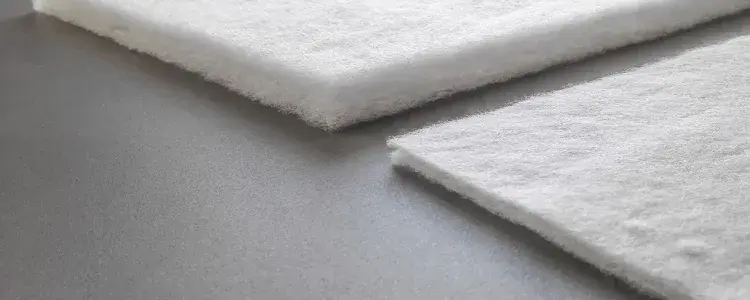
Synthetic insulation is measured by its grams per square meter (gsm) for rolled products and overall weight for free fibers. The higher numbers generally indicate greater warmth and thickness. A precise measurement tool is used to determine the visual loft of products.
deniers
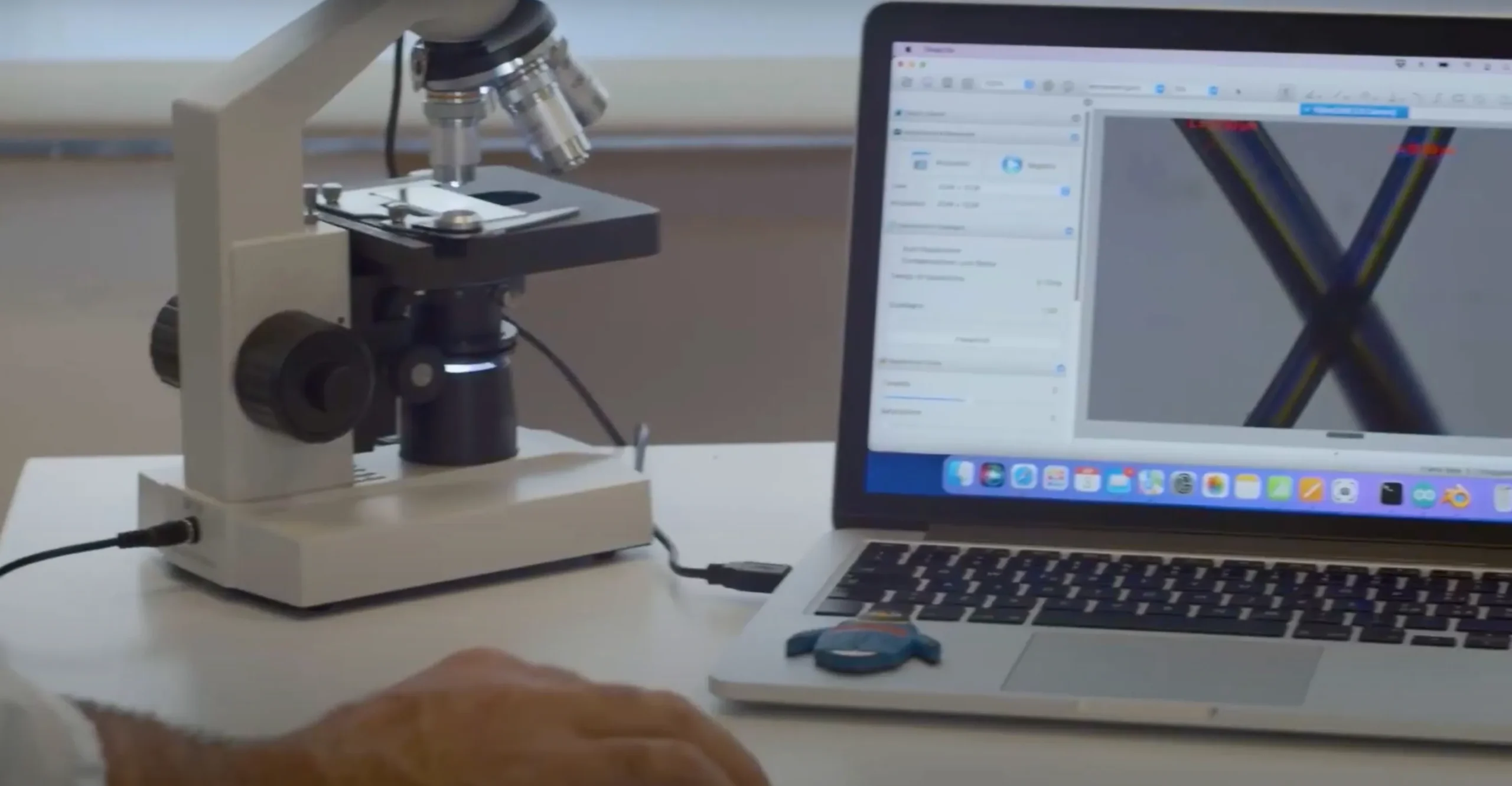
A term used in the textile industry to describe the thickness of a fiber. Fibers are carefully analyzed with a digital microscope to verify denier size and finish. A significant influence on the insulation capacity is created by the right choice of fibers. Lower denier fibers are able to capture more air which results in better insulation. Thermore does not use microfibers in its insulation products due to their negative impact of microplastic pollution on the environment.
fiber migration
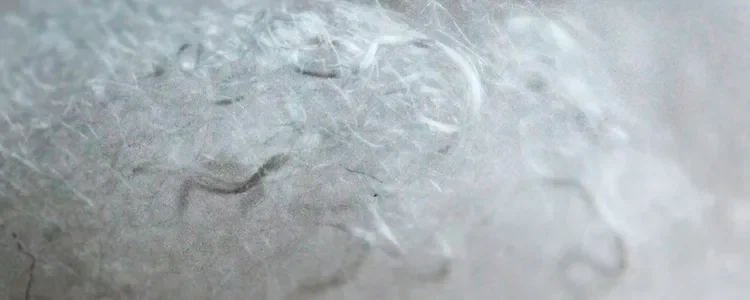
We rigorously test for the penetration of single fibers through the face fabric or the lining of a garment. Fiber migration is caused by electrostatic loading which may occur when a sweater is worn underneath a lined jacket. The resulting fibers which percolate through the fabric become visible to the eye and the end result is the image of a poor quality garment. Furthermore, fibers that are lost from the insulation structure are no longer able to help protect against the cold.
fill power
Traditionally associated with down, now also used for loose synthetic fillings to indicate how much volume one ounce of fill can occupy once fully expanded. In laboratory testing, the material is placed in a standard cylinder, lightly compressed, and the resulting loft (volume) is measured in cubic inches (CUIN). A higher fill power number reflects greater loft and thermal efficiency, since more air is trapped within the structure. Still, fill power alone does not determine overall warmth. Other factors such as the total amount of fill, construction, and fabric design play important roles.
washing and machine drying
All of our products are put through repeated wash and dry cycles using standard consumer machines because real-world durability matters. We believe true sustainability starts with longevity, so our insulations are engineered to withstand everyday wear and tear without compromising performance.
Thermore is proud to hold a range of third-party environmental certifications that validate our commitment to sustainability. These certifications ensure our products meet rigorous standards for recycled content, chemical safety, and environmentally responsible manufacturing. It’s independent proof that when you choose Thermore, you’re choosing insulation that’s better for people and the planet.
Our product line spans 12 different types of thermal insulation to help meet a variety of design needs.